
If you’re exploring going solar in Colorado Springs, net metering is an area worth understanding early in the process. It has a strong impact on how much you save, how your utility bill is structured, and the return you can expect. It’s a term that many Colorado Springs homeowners have heard, but do not really know what it means or how it could come into play for their decision-making. This first part of our two-part net metering series covers the basics we get the most questions on at Triton Roofing & Solar. It covers how net metering works and eligibility, how billing works in a Colorado Springs net metering program, Colorado Springs net metering rates, and how the net metering application process is completed, in Colorado Springs homeowner terms.
Key Takeaways
- Net metering in Colorado Springs allows solar owners to receive credits for excess energy sent to the grid, which can lower their utility bills.
- Eligibility for net metering includes customers with approved solar systems, whether residential or small commercial, but renters face limitations.
- The interconnection process involves applying to Colorado Springs Utilities and completing necessary inspections before activating the solar system.
- Net metering significantly impacts billing, helping stabilize energy costs and optimize savings based on energy production and consumption times.
- Understanding net metering rates and planning energy use effectively can maximize savings over time as utility rates may increase.
Estimated reading time: 11 minutes
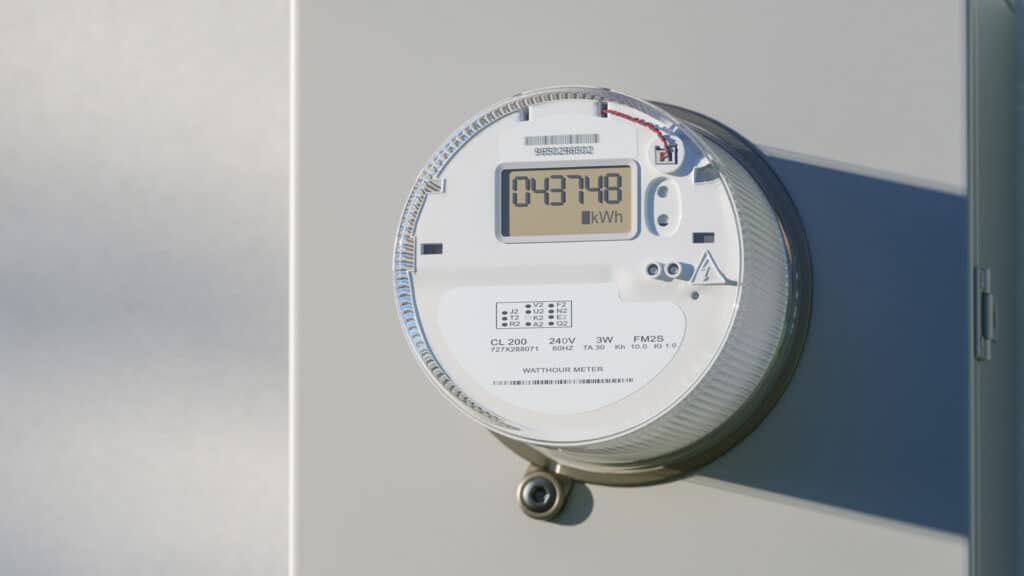
Table of contents
How Net Metering Works
What is net metering?
Net metering is a billing arrangement that gives solar owners credits for surplus power exported to the electric grid. With the extra power your solar energy system generates beyond your home’s electrical demand, the utility company credits you for the surplus energy. When the solar panel system is not producing enough, customers consume grid power, using net metering credits to balance their usage. It’s an easy way to balance the highs and lows of solar production.
How does net metering work?
Net metering functions very much as an energy bank. During the day, when solar panels are producing power, your system will typically generate more energy than your home can use. The power that goes to your electric utility in excess of home consumption is a credit. At night, when the sun is down, or on cloudy days, the customer draws on their bank of accumulated credits to offset utility bills. When the billing period closes, the customer is billed for net consumption: how much more energy they consumed than the power they produced.
What’s the difference between net metering and regular utility hook-up?
With a standard hook-up, the customer draws electricity from the utility and pays for the amount consumed; the electricity flows only one way. When customers have a system with a net metering program, electricity can flow in both directions. The electric meter tracks both how much energy the customer consumed and how much energy the customer supplied to the utility. Because the credits offset electricity consumption, customers’ utility bills are often much lower.
Why does net metering matter for solar owners?
Net metering is essential to the economics of solar in many cases. Without a net metering program, excess power generated beyond consumer needs may be unused or exported without full credit. Net metering can help solar production offset electricity bills over the life of the panels, shorten the payback period, and support long-term savings for the customer.
Net Metering with Colorado Springs Utilities
Does Colorado Springs Utilities do net metering?
Yes! Colorado Springs Utilities does have a net metering program available to any customers who install qualifying solar systems. This enables local residents and businesses to have their panel systems tied to the utility grid and to receive credits for excess power. As always, net metering programs may change, so make sure to check the program’s terms to confirm it applies to your specific situation before installing your system.
How does net metering work with Colorado Springs Utilities?
After you are approved and connected to the electrical grid, Colorado Springs Utilities will track how much energy you consume and how much you send back to the grid. You’ll be billed for the net energy, and if you produce more than you consume, you’ll get credits. The utility has its own rates for those credits and its own billing structure, which can vary over time. If you know their current rates and billing structure, you know what to expect. Your local installer can help educate you on these.
Who Do I Call at Colorado Springs Utilities To Get Started?
You can call Colorado Springs Utilities directly and ask them about net metering and interconnection. Often, this communication can be handled by your local installer, and the customer simply goes along with it. At Triton Roofing & Solar, we educate our customers at every step so everything is clear to them.
What Do I Need to Know Before I Sign Up?
Before signing up for net metering, it’s helpful to have an idea of your current energy consumption, your roof’s solar potential, and the current terms of the net metering program. In addition, you should have a clear understanding of how much energy you’ll be expected to produce and save. Having the answers to all of these questions up front will help avoid potential issues down the line.
Eligibility Requirements
Who is eligible for net metering in Colorado Springs?
Typically, any customer who installs a utility-approved solar system will qualify. The system will need to be properly permitted, inspected, and grid-tied. Working with a qualified solar installer will help you to make sure your system checks all the boxes.
Does eligibility apply to both residential homeowners and small businesses?
Net metering is available to both residential and small commercial customers. There are size restrictions and specific requirements for both, but the concept is largely the same. Small businesses are just as likely as homeowners to use solar to save on energy costs.
Are renters or customers with HOAs eligible?
Renters cannot enroll in the net metering program on their own because their panels must be installed on the property with the property owner’s consent and tied to a specific utility account. Homeowners in an HOA can usually install solar, but they must follow HOA rules and should seek approval early; state laws may limit an HOA’s ability to deny solar installations.
Are there specific limitations or requirements on what type of property can install solar?
Depending on the property’s solar potential, eligibility will depend on factors such as the condition of the roof, available roof space, and shading from nearby trees. If a home has heavy shading or limited usable roof area, modifications to the solar system may be needed. A site evaluation with a solar installer will help you to determine if your property is a viable fit.
System Size Limitations
Does Colorado Springs Utilities set limits on system size?
Net metering size limits can vary by location and between residential and commercial customers. The goal of these limits is usually to ensure the system is properly sized to meet your specific energy requirements, not to produce massive amounts of energy for the grid. Ask your installer to verify the current limits at design.
Resource: csu.org
How do you determine the right size for my home or business?
The right size is mainly determined by your energy use history, the available space on your roof, the available sunlight, and your budget. We will review your past electricity usage to provide a general overview of your monthly usage throughout the year. Then we design and install a solar system to meet your energy needs while adhering to program limits.
Can I install a system larger than my current energy use?
Usually, systems are designed to cover your current usage without significantly exceeding it. If you design a system that is much larger than you need, there may be no value in going over the net metering limit. If you anticipate increased usage, such as for an EV, we can account for it in your design.
What if the system size exceeds the size limits?
It might not qualify for standard net metering if it is too large, or it might be subject to an alternative interconnection process. This is one reason system design matters. A thorough system design before construction will ensure that your system meets your utility’s limits and your goals.
Billing and Credits
How does net metering affect my bill?
Net metering can greatly lower your monthly energy bill. This happens because it lets you use the energy your system produces and offsets the energy you use. When the system is producing a lot of power, your net usage can be very low or even negative, which may produce bill credits. Just be aware that there may still be certain fixed charges.
Resource: constellation.com
How are credits calculated for energy that goes back to the utility?
You will get credits based on the amount of excess energy you feed back into the utility. Credits are calculated based on the amount of excess electricity exported to the grid and applied to your bill at the applicable utility rate. This helps you understand your credits and what you can expect to be billed.
How can I view my net metering credits on my monthly bill?
Typically, your net metering credit appears on your monthly utility bill. It lists the energy consumption and the credits that you have earned. Your bill reflects all the electricity you used, the credits you earned, and the costs incurred. If you need help, ask your installer to interpret the information.
Are there fixed charges I still have to pay?
Most utility customers will have fixed charges associated with solar. These charges apply to all energy utility customers and cover the costs of grid access and infrastructure. Although net metering substantially reduces your energy charges, there is still a cost associated with solar that you will see on your bill.
Rates and Time-of-Use Considerations
Does it make a difference when I use my energy during the day?
Depending on the rate structure, the time that you consume and generate energy could affect your savings. The amount of energy you generate and consume may also depend on the time of day you use it. If there are plans available that offer different rates at peak and non-peak times, you will want to understand how your plan works to maximize your system’s savings.
Is net metering impacted by time-of-use rates?
If you are on a time-of-use rate plan, you are paying different rates for electricity depending on the time of day. In this case, exactly when your production and consumption occur matters. Talk to your utility or installer about your rate options to make sure you understand the implications.
How does my future savings get impacted if utility rates increase?
Utility rates can change, affecting both your costs and your solar savings. Often, rates go up over time, which can increase the value of solar as you offset more expensive electricity. Anticipating these changes can give you a realistic picture of your future savings.
Should I be using my power at certain times of day?
If you are on a time-of-use rate plan, shifting your consumption to lower-cost times will help optimize your savings. Try to use appliances during off-peak hours or when your system is producing power. Making simple changes can lead to large savings over time.
Interconnection and Application
What is the interconnection process?
This is the process of connecting your system to your utility provider and the grid. It requires completing an application, meeting technical requirements, and passing any necessary inspections before you can activate your system. Your system connects and operates safely.
How do I apply for net metering?
This involves applying to Colorado Springs Utilities and submitting details about your solar system design. Your installer will often manage this paperwork for you. At Triton Roofing & Solar, we handle much of this process on your behalf.
What documentation or other information do I need to provide?
Typically, this means providing system specifications, equipment information, design plans, and any required permits. The exact information required depends on your utility company. Your installer can help you ensure that you have everything needed for submission.
How long does this typically take?
This will depend on the utility company’s processing time and the information submitted. The approval process can be fast or slow. It’s best to submit an accurate application to minimize the wait.
Can I run my system before it is approved?
Typically, you can not turn your system on until it is completed, inspected, and approved by Colorado Springs Utilities. Turning on a system prematurely is dangerous and not allowed. Always proceed through the interconnection and inspection process to ensure your system is compliant and safe.
Continue to Part 2
You’ve now learned about net metering in Colorado Springs: how it works, who is eligible, how it affects your bills, different rate plans, and the interconnection process. We’ll talk in Part 2 about the equipment and metering, maintenance and monitoring, what happens during power outages, the benefits of adding a battery, and how to get started. If you have any questions in the meantime, don’t hesitate to contact the team at Triton Roofing & Solar [Solar Division].